Unlocking Homeowner Power: Expert Guide to Planning Commission
Understanding a planning commission is crucial for property development. They review proposals again…….

Understanding a planning commission is crucial for property development. They review proposals against zoning laws, safety standards, and community values, approving or denying projects. Homeowners must submit detailed applications, addressing financial viability, accessibility, and sustainability. Early engagement with the commission streamlines the process, ensuring compliance and minimizing delays. Borrowers require thorough preparation, understanding local regulations, and clear communication during hearings to secure approvals. Effective planning commission involvement fosters sustainable community growth, benefiting property owners through thoughtful development guided by community needs.
Homeownership is a cornerstone of the American dream, yet navigating the complex landscape of property planning can be daunting for many prospective owners. This article delves into the critical role of the planning commission in empowering homeowners through expert analysis and strategic guidance. Planning commissions, integral to local governance, play a pivotal role in shaping communities and ensuring responsible development. By examining their processes and insights, we equip homeowners with the knowledge to make informed decisions, fostering sustainable and thriving neighborhoods.
Understanding Your Local Planning Commission
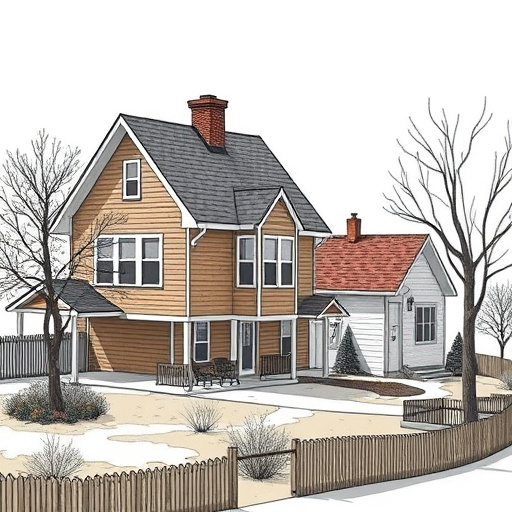
Understanding your local planning commission is a crucial step for any homeowner looking to navigate the complex world of property development and regulation. This governmental body plays a pivotal role in shaping the built environment, ensuring that construction projects align with zoning laws, safety standards, and community values. By delving into their functions and requirements, borrowers can anticipate potential hurdles and proactively plan their projects.
The primary responsibility of a planning commission is to review and approve (or deny) development proposals within their jurisdiction. This involves examining building plans, assessing environmental impacts, and gauging compliance with local ordinances. For homeowners, this means submitting detailed applications outlining project specifics, including design, materials, and expected impact on neighboring properties. One key aspect borrowers should be aware of is the planning commission borrower requirements, which often include providing financial viability proof, addressing accessibility needs, and ensuring sustainable building practices. Failure to meet these criteria can result in delays or even project rejection.
For instance, in densely populated urban areas, strict regulations may apply to maintain residential density levels and preserve community character. Homeowners undertaking renovations or additions must demonstrate how their proposals fit within these parameters. Conversely, rural zones might have more flexible standards but still demand adherence to environmental conservation measures. Understanding these local nuances is essential for a successful project outcome. Borrowers should actively engage with their planning commission early in the process, seeking guidance on applicable rules and regulations. This proactive approach allows for smoother navigation of the approval process, ultimately reducing potential delays and ensuring compliance from the outset.
Homeowner's Role in Zoning and Land Use Decisions

Homeowners play a crucial role in zoning and land use decisions, often working hand-in-hand with local planning commissions. These bodies are responsible for interpreting and enforcing zoning ordinances, which dictate how land is developed and utilized within a community. Understanding this dynamic relationship is essential for any homeowner looking to navigate the complex landscape of planning commission borrower requirements.
Homeowners can actively participate in the process by attending public meetings, providing input on proposed projects, and voicing their concerns or suggestions. Planning commissions often rely on these public inputs to make informed decisions that reflect the community’s needs and values. For instance, a homeowner’s opposition to a proposed high-density apartment complex could sway the commission to consider alternative land use options that better align with neighborhood character.
Moreover, homeowners have the opportunity to engage in the early stages of development projects by reviewing and commenting on application materials submitted to the planning commission. This involves scrutinizing details such as project impact assessments, traffic studies, and environmental reports. By actively participating in these reviews, homeowners can ensure that development aligns with community standards and addresses potential concerns related to infrastructure, noise, or aesthetic impacts.
To effectively engage with the planning commission, homeowners should familiarize themselves with local zoning regulations and borrower requirements. This knowledge equips them to provide meaningful input during public hearings and application reviews. For example, understanding specific setback requirements, maximum building height limits, or permitted land uses can help a homeowner advocate for decisions that preserve the integrity of their neighborhood while facilitating responsible development.
Navigating Building Permits and Regulations

Navigating building permits and regulations is a critical step for any homeowner undertaking construction or renovation projects. The planning commission plays a pivotal role in this process, ensuring that developments align with local zoning laws, environmental standards, and community safety guidelines. Understanding these requirements is essential for borrowers seeking to secure financing for their construction plans. Lenders often refer to the planning commission borrower requirements as part of their due diligence, evaluating whether proposed projects are compliant before extending credit.
For instance, in urban areas, strict regulations might dictate building height, setback distances from property lines, and permitted land uses, while rural regions could have more lenient rules focused on environmental preservation. The planning commission reviews architectural plans, considers potential impacts on neighboring properties, and ensures compliance with accessibility standards and energy efficiency guidelines. Borrowers must demonstrate a thorough understanding of these local regulations to avoid delays or denials during the financing process.
To prepare for interactions with the planning commission, borrowers should gather detailed project plans, conduct thorough research on applicable codes and permits, and maintain open lines of communication with their lenders. Keeping abreast of changes in planning commission borrower requirements is vital, as updates can significantly impact the feasibility of construction projects. By proactively addressing these regulatory aspects, homeowners can ensure smoother sailing throughout the construction financing journey.
The Impact of Comprehensive Planning on Property Owners

Comprehensive planning, guided by a dedicated planning commission, profoundly influences property owners’ experiences and outcomes. This process involves strategic consideration of land use, development, and community growth, all of which have direct impacts on homeowners. For instance, thoughtful urban planning can enhance property values through improved amenities, better infrastructure, and increased neighborhood appeal. Conversely, haphazard or inadequate planning can lead to overcongested areas, limited access to services, and reduced property desirability.
Planning commission borrower requirements play a crucial role in ensuring that development aligns with the broader community’s needs and vision. These requirements often include detailed assessments of environmental impact, traffic management, and public utility accessibility. Property owners benefit from these regulations as they protect against poorly planned developments that could negatively affect their quality of life and investment returns. For example, strict environmental guidelines can preserve natural spaces and mitigate ecological disruption, benefiting nearby residents who enjoy cleaner air and water.
Experts emphasize the importance of active engagement by property owners in the planning commission process. By participating in public hearings, providing feedback on draft plans, and collaborating with local officials, homeowners can shape decisions that directly affect their communities. This collaboration fosters a sense of ownership and ensures that development aligns with the character and aspirations of the neighborhood. Ultimately, an informed and engaged planning commission, coupled with thoughtful borrower requirements, creates sustainable and vibrant communities that enhance the lives of property owners.
Appealing Decision: Rights and Procedures for Homeowners

When navigating the complex world of property development, understanding the role of a planning commission is paramount for homeowners. An appealing decision, often crucial to a borrower’s success, lies in comprehending the procedures and rights within this process. The planning commission serves as the gatekeeper, evaluating proposals against community standards and local laws. For borrowers, it’s essential to appreciate that meeting these requirements can significantly enhance their chances of approval.
Borrowers must prepare detailed applications, demonstrating compliance with specific guidelines related to zoning regulations, environmental impact, and neighborhood character. These guidelines, often stringent, ensure harmonious development while preserving the area’s unique identity. A key aspect involves engaging early with the planning commission, seeking clarification on borrower requirements. This proactive approach can prevent costly delays later in the process. For instance, developers have successfully navigated complex projects by aligning their proposals with the community’s vision, as evidenced by successful outcomes in comparable cases.
Expert analysis suggests that borrowers who invest time in understanding local planning dynamics and proactively addressing potential concerns often find themselves at an advantage. This includes adhering to set deadlines, providing comprehensive documentation, and maintaining open lines of communication. By doing so, homeowners can navigate the planning commission process effectively, ultimately securing permits and moving forward with their development plans.
Effective Communication with Planning Commissioners

Effective communication with planning commissioners is a critical aspect of navigating the complexities of any project, especially for homeowners looking to secure approvals for their development plans. Understanding how to engage with these officials can significantly impact the timeline and outcome of your application. The planning commission, as a key decision-maker, requires clear, concise, and well-structured presentations from borrowers to ensure their projects align with community goals and regulations.
A successful interaction involves demonstrating a deep understanding of both the project specifics and the broader context in which it will operate. Homeowners should be prepared to articulate how their plans contribute to the area’s character, address infrastructure needs, and respect zoning ordinances. For instance, a borrower proposing a renovation may highlight how their design respects historic architectural elements while enhancing modern functionality. This dual focus on project merit and community benefits is essential in gaining commissioners’ support.
Borrowers should also be aware of the planning commission borrower requirements, which can vary by region but generally include detailed applications, architectural renderings, and cost estimates. Providing these materials well in advance allows commissioners to thoroughly review them, enabling more productive discussions during public hearings. For example, submitting 3D models or virtual walkthroughs can offer a dynamic perspective on a project, enhancing comprehension and fostering open dialogue.
Moreover, active listening is an art during commission meetings. Homeowners should be prepared to respond to questions openly, addressing concerns directly. Demonstrating flexibility in incorporating feedback shows respect for the commission’s expertise and can lead to more positive outcomes. By combining thorough preparation with adaptive communication strategies, borrowers can navigate the planning commission process effectively, increasing the likelihood of successful project approvals.