Mastering Your Home’s Planning Commission Journey
Understanding and engaging with local planning commissions is vital for successful homeownership and…….

Understanding and engaging with local planning commissions is vital for successful homeownership and development. These bodies review proposals, ensuring compliance with zoning, building codes, and community needs. Borrowers must submit detailed plans, feasibility studies, and financial projections to gain approval. Early interaction provides valuable insights, increases chances of project approval, and ensures compliance with regulations, especially in areas focusing on historical architecture and sustainable development. Effective communication, proactive research, and clear plan presentations can reduce project delays, foster collaboration, and align developments with community expectations.
In the world of homeownership, navigating regulatory hurdles can seem like a labyrinthine task, particularly when it comes to planning and development. The planning commission plays a pivotal role in shaping neighborhoods and communities, yet many homeowners remain unfamiliar with its intricacies. This comprehensive guide aims to demystify the process, offering a detailed step-by-step approach to engaging with your local planning commission effectively. By understanding their functions and requirements, homeowners can actively participate in shaping their surroundings, ensuring their voices are heard and their interests represented.
Understanding Your Local Planning Commission

Understanding your local planning commission is a crucial step in navigating the homeownership journey. Every municipality has its own regulatory body tasked with reviewing and approving development projects, including residential properties. These commissions play a pivotal role in shaping the built environment, ensuring that construction aligns with zoning regulations, building codes, and community needs. As a homeowner or aspiring borrower, comprehending their function and requirements is essential for a smooth process.
The primary mandate of a planning commission is to evaluate proposals for new developments, renovations, or changes in land use. They scrutinize applications based on various factors such as compatibility with surrounding areas, environmental impact, traffic management, and public safety. For borrowers seeking financing for their home improvement projects, understanding these criteria is vital. The planning commission borrower requirements often involve submitting detailed project plans, feasibility studies, and financial projections to demonstrate the viability and benefits of the proposed work.
For instance, in urban areas, commissions may focus on preserving historical architecture while encouraging sustainable development. Borrowers looking to renovate heritage homes need to adhere to specific guidelines regarding material choices, design alterations, and structural integrity. Data shows that many successful loan applications for home improvements are those that demonstrate a deep respect for local planning regulations. Engaging with your local planning commission early in the process can provide valuable insights into what is expected and increase the likelihood of project approval.
Preparing for Your First Commission Meeting

Preparing for your initial meeting with a planning commission is a crucial step in navigating the homeownership journey. This encounter sets the tone for a successful relationship with your local regulatory body, which plays a vital role in shaping your community and ensuring responsible development. The planning commission, composed of elected or appointed officials, evaluates proposals for land use, zoning changes, and new construction projects. As a homeowner, understanding their process and meeting their borrower requirements is essential to avoid delays and potential rejections.
Before stepping into the commission room, familiarize yourself with the commission’s purpose and structure. Review the agenda for your meeting, which should outline the items of discussion, including any applications for your property or nearby areas. Prepare by gathering relevant documents such as building plans, architectural drawings, and any required permits. The planning commission borrower requirements typically involve demonstrating compliance with zoning regulations, environmental standards, and safety codes. Ensure your application packages are complete to facilitate a smooth review process.
During the meeting, actively participate in the discussion while remaining respectful of the commission’s authority. Be prepared to answer questions about your project, addressing concerns regarding impact on neighbors, traffic management, and aesthetic considerations. Presenting clear, concise information and being open to feedback fosters a productive dialogue. Remember, the planning commission exists to protect both the interests of property owners and the broader community, ensuring development aligns with local goals and infrastructure capabilities.
Navigating Zoning Regulations: A Homeowner's Guide

Navigating zoning regulations is a crucial step for homeowners looking to build, renovate, or expand their properties. This process involves interactions with the planning commission, which plays a vital role in ensuring that development aligns with local laws and community needs. Understanding these requirements is essential for a smooth project timeline and successful outcome.
The planning commission borrower requirements vary by location, but they generally include submitting detailed plans, environmental assessments, and impact studies. For instance, in urban areas, strict regulations might dictate building height, set-back distances, and signage restrictions to maintain neighborhood character. Homeowners should anticipate these constraints early on, as changing them can be a lengthy process. A practical approach is to consult with architects and developers familiar with local planning commission borrower requirements to ensure compliance from the start.
Data shows that effective navigation of zoning regulations can significantly impact project timelines and costs. Delays caused by unexpected red tape or revisions can add months to construction schedules, not to mention additional expenses. To mitigate these issues, homeowners should proactively research their area’s planning commission guidelines, attend public meetings, and foster open communication with local officials. For example, some commissions offer online resources for submitting applications and tracking progress, streamlining the process for both borrowers and staff. Ultimately, adhering to planning commission borrower requirements not only ensures legal compliance but also contributes to the overall quality and integration of new developments into their communities.
Effective Communication with Your Planning Commission
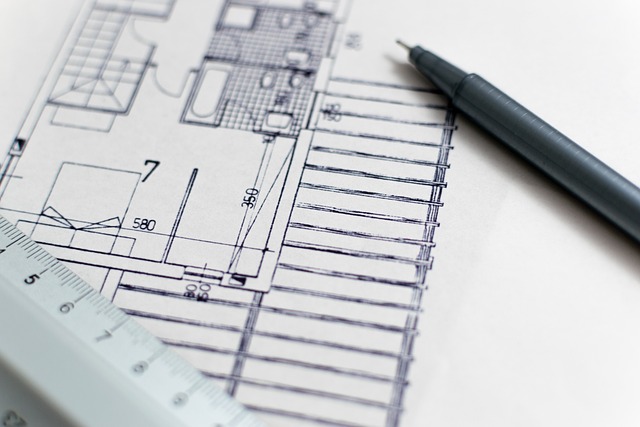
Effective communication with your planning commission is a critical yet often overlooked aspect of navigating the homeownership journey. This vital interaction can make or break your project, ensuring it aligns with local regulations and obtains the necessary approvals. As a borrower, understanding how to engage with this body can significantly impact the timeline and success of your endeavor.
The planning commission serves as the gatekeeper for community development, reviewing proposals and issuing permits for construction projects. Their primary role is to protect the public interest by safeguarding against hasty or harmful development. When submitting plans, borrowers must present detailed information outlining their project’s design, impact on the surrounding area, and adherence to zoning codes. A common pitfall many borrowers face is inadequate communication—failing to convey the essence of their vision clearly. To avoid this, every aspect of your proposal should be meticulously articulated, leaving no room for misinterpretation. For instance, a borrower planning a renovation must illustrate how the changes will enhance, not disrupt, the neighborhood’s character.
One key strategy for successful communication is establishing early and regular contact with the planning commission. This allows borrowers to gain insights into specific requirements, address potential red flags promptly, and demonstrate a commitment to compliance. It’s also advisable to be responsive to requests for additional information; providing timely responses can expedite the review process. For example, if the commission requests site plans or environmental impact assessments, fulfilling these obligations swiftly can foster goodwill and streamline approval. Data suggests that proactive communication reduces project delays by up to 20%, emphasizing its importance in navigating the planning commission borrower requirements.
Moreover, borrowers should be prepared to justify design choices and address concerns with confidence. This involves a solid understanding of local aesthetics, historical context, and community expectations. For instance, if your proposal includes unique architectural elements, reference comparable projects approved by the commission in the past. Such an approach demonstrates respect for their expertise and increases the likelihood of favorable consideration. Remember, effective communication is not merely about providing information; it’s about fostering a collaborative relationship that ensures your project meets both regulatory standards and community expectations.