Mastering Your Homeowner’s Planning Commission Guide
Understanding and navigating your local planning commission is crucial for successful homeownership…….

Understanding and navigating your local planning commission is crucial for successful homeownership and development. They regulate land use, zoning, and growth, reviewing permits for compliance with community character, sustainability, and public needs. Early preparation includes detailed project plans, studies, and financial projections. Research local procedures, attend meetings, and engage with the community. Comprehensive post-meeting steps involve understanding regulations, submitting detailed plans, addressing reviews, engaging neighbors, and leveraging data to gain approval for home improvement projects.
Homeowners often find themselves navigating complex processes when envisioning changes to their properties, from renovations to new constructions. This intricate web is overseen by the planning commission, a crucial entity responsible for ensuring development aligns with community standards and sustainable practices. However, the intricate nature of these processes can be daunting for laypersons, leading to delays, costly mistakes, or even project abandonment. This comprehensive guide aims to demystify the planning commission for homeowners, equipping them with the knowledge to navigate these procedures with confidence and expertise.
Understanding Your Local Planning Commission

Understanding your local planning commission is a crucial step in navigating the homeownership journey. Every municipality operates its own planning commission responsible for overseeing land use, zoning regulations, and development projects within their borders. As a prospective homeowner, engaging with this entity early on can significantly impact your building plans and future property value.
The primary role of a planning commission is to ensure that any new development aligns with the community’s character, promotes sustainable growth, and addresses public needs. They review applications for zoning permits, special use permits, and other approvals related to construction projects. This process involves evaluating factors like site plan design, environmental impact, traffic patterns, and compliance with local codes and regulations. For borrowers seeking financing, it’s essential to be aware of these requirements early on. The planning commission borrower requirements typically include detailed project plans, feasibility studies, financial projections, and evidence of adequate funding—all crucial elements for a successful application.
For instance, in urban areas with strict zoning laws, commissions may scrutinize every aspect of a development proposal to maintain the aesthetic and functional integrity of established neighborhoods. Conversely, rural regions might have more flexible guidelines but still demand robust environmental assessments to protect agricultural lands and natural resources. Understanding these nuances can help borrowers prepare comprehensive applications, ensuring smoother interactions with local authorities.
To maximize your chances of approval, research your area’s planning commission procedures well in advance. Their websites often provide valuable resources, application forms, and guidance on required documentation. Regularly attending public meetings and engaging with community forums can also offer insights into the commission’s priorities and concerns. Armed with this knowledge, borrowers can demonstrate their understanding of local regulations, enhancing their proposals’ likelihood of success.
Preparing for Your Commission Meeting

Preparing for your planning commission meeting as a homeowner requires careful consideration and preparation. The planning commission, a crucial body in local governance, plays a vital role in reviewing and approving development proposals, including residential projects. Understanding the process and meeting borrower requirements are essential steps to ensure a smooth experience.
Before stepping into the commission meeting, familiarize yourself with the project’s scope and its alignment with local zoning regulations. Gather all necessary documents, such as architectural plans, site maps, and environmental impact assessments. These materials should clearly articulate your project’s design, functionality, and potential neighborhood impact. The planning commission borrower requirements often include detailed information about the property, the proposed development, and financial stability. Demonstrating a comprehensive understanding of these aspects can help facilitate a productive discussion.
An excellent strategy is to anticipate potential questions and concerns. Research common issues that arise during planning commission meetings for similar projects. For instance, consider the aesthetic impact on the surrounding area, traffic management, and infrastructure capabilities. Prepare thoughtful responses that address these points, showcasing your project’s benefits and how it meets community standards. Remember, the planning commission’s role is to ensure proposals are in the best interest of the neighborhood and align with long-term urban planning goals.
By combining thorough preparation, clear communication, and a deep understanding of local regulations, homeowners can confidently navigate the planning commission process. This proactive approach not only increases the likelihood of project approval but also fosters a positive relationship with local authorities, setting a beneficial precedent for future development endeavors.
Navigating the Post-Meeting Process
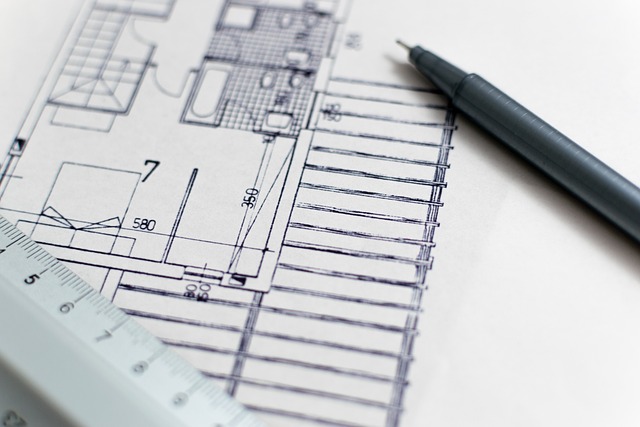
After your meeting with the planning commission, the post-meeting process is crucial to turning your project from concept into reality. Firstly, understand that each jurisdiction may have unique requirements, so it’s important to consult local regulations and guidelines closely. The planning commission borrower requirements often involve submitting detailed plans, including architectural drawings, engineering specifications, and environmental impact assessments. These documents ensure that your proposal aligns with the community’s needs and standards.
Once your initial submission is approved, expect a period of review where the planning commission scrutinizes your plans for compliance with zoning laws, building codes, and other relevant regulations. During this phase, be prepared to address any concerns or request modifications. Open communication with the commission is essential; respond promptly to their inquiries and be ready to defend your design choices. Remember, this back-and-forth is normal, and it’s an opportunity to refine your project to better fit the local context.
As you iterate on your plans, keep in mind that transparency and collaboration are key. Engage with neighbors and community members to gather feedback and build support for your development. This not only helps navigate potential objections but also strengthens your case before the planning commission. Additionally, consider leveraging data and expert insights to demonstrate the project’s benefits, such as economic impact or improved infrastructure. By following these steps and adhering to the planning commission borrower requirements, you’ll be well on your way to securing approval for your ambitious home improvement projects.