Mastering Planning Commission: Selling Modern Properties Effectively
The planning commission plays a pivotal role in local government, approving development projects whi…….

The planning commission plays a pivotal role in local government, approving development projects while ensuring they meet community standards. Selling property involves demonstrating compliance with zoning, environmental, accessibility, and impact requirements. Gather essential documents like deeds, permits, building plans, and financial records for a smooth process. Present unique property features that align with the commission's priorities to stand out in a competitive market. Strategically navigate the review process by understanding regulations and addressing community concerns. Post-approval, finalize designs, ensure compliance, manage permitting, and monitor costs.
In today’s dynamic real estate landscape, a seamless planning process is paramount for both buyers and sellers alike. For sellers, navigating the intricate web of local regulations and zoning laws can be a daunting task, often leading to delays or even deal breakdowns. This comprehensive guide delves into the crucial role of the planning commission, providing an in-depth exploration of its functions and benefits. By understanding how this regulatory body facilitates development and preservation, sellers can actively participate in shaping their desired future, ensuring a smooth path to successful transactions. Let’s demystify this process and empower sellers with knowledge.
Understanding Your Planning Commission Role

The planning commission plays a pivotal role in shaping the built environment, particularly for sellers navigating modern real estate landscapes. As an integral part of local government, this commission is responsible for evaluating and approving development projects, ensuring they align with the community’s vision and regulatory standards. Understanding your role as a seller within this process is essential for a successful and compliant transaction.
When selling property, engaging with the planning commission involves demonstrating how your project meets or exceeds their borrower requirements. These requirements often encompass zoning regulations, environmental considerations, accessibility, and community impact. For instance, if you’re proposing a mixed-use development, the planning commission will scrutinize how it integrates residential, commercial, or retail spaces while maintaining harmony with surrounding properties. They may also require detailed plans for sustainability measures, such as energy efficiency and water conservation, especially in regions with strict environmental policies.
Effective communication is key to navigating these complexities. Sellers should be prepared to present clear, comprehensive proposals that address potential concerns. This might include providing architectural drawings, impact assessments, or community consultation reports. By proactively showcasing how your project benefits the area, aligns with local character, and respects regulatory boundaries, you can foster a positive relationship with the planning commission. Remember, their goal is not only to enforce regulations but also to ensure that development contributes to the overall well-being of the community.
Pre-Sale Preparation: Gather Necessary Documents

Selling a property involves careful planning and preparation, especially when navigating the complexities of modern real estate markets. A crucial step in this process is understanding the role of the planning commission and ensuring you have all the necessary documents in order before listing your home for sale. This pre-sale preparation stage is vital to a smooth transaction and can often make or break a deal.
Before engaging with potential buyers, sellers should assemble a comprehensive collection of documents that will be required by the planning commission borrower requirements. These may include property deeds, zoning permits, building plans, and environmental assessments. For instance, many jurisdictions demand detailed records of any alterations or expansions made to the property in recent years. Sellers must also be prepared to provide evidence of compliance with local building codes and safety regulations. Gathering these documents proactively demonstrates a seller’s diligence and can speed up the entire sales process.
Furthermore, it is advisable to organize financial records, such as tax assessments, appraisals, and any available market analysis reports. These documents help in setting an accurate asking price and provide insights into the property’s value within the current market trends. Proper preparation ensures that both the seller and the planning commission have access to all relevant information, fostering a transparent environment that is essential for successful property transactions.
Presenting Your Property: A Strategic Approach

When presenting your property to a planning commission, especially in today’s competitive real estate market, a strategic approach is paramount. The planning commission, tasked with evaluating development proposals, scrutinizes every aspect of a project, including its alignment with community goals and environmental sustainability. As a seller, understanding this process and how to effectively showcase your property can significantly influence the outcome.
A crucial element in this presentation involves highlighting the unique attributes of your land or building that meet the commission’s borrower requirements. This includes demonstrating compliance with zoning regulations, showcasing responsible land use practices, and emphasizing any sustainable features or design elements. For instance, if your property offers a rare opportunity for mixed-use development, complete with green spaces and energy-efficient infrastructure, these aspects should be meticulously detailed. Data supporting the environmental benefits and potential economic impact can further strengthen your case.
Practical insights from industry experts suggest tailoring your presentation to address the commission’s key considerations. This might include emphasizing the property’s potential for enhancing local infrastructure, contributing to employment opportunities, or promoting community well-being. For example, if your development includes dedicated green spaces and pedestrian-friendly pathways, these could be positioned as enhancements to the surrounding area’s quality of life. By aligning your proposal with the planning commission’s borrower requirements and demonstrating a strategic vision, you can ensure your property stands out in a competitive market while navigating the complex process with confidence.
Navigating the Review Process: Tips for Success
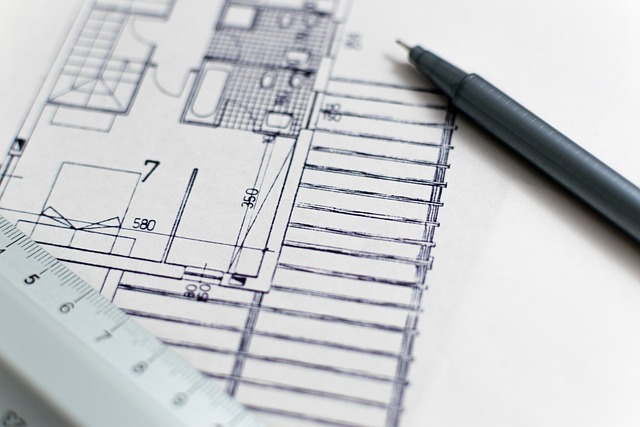
Navigating the review process with a planning commission is a crucial step for any seller looking to ensure their project’s success. This process involves careful consideration of various factors, including zoning regulations, environmental impacts, and community concerns. Understanding these requirements early on can significantly enhance your chances of securing approval efficiently. One key aspect to grasp is that planning commissions are not merely rubber stamps; they act as guardians of the community’s interests, weighing the benefits against potential drawbacks.
For instance, developers must often provide detailed plans outlining the project’s design, impact on local infrastructure, and measures for mitigating environmental issues. This includes adhering to specific borrower requirements set forth by the planning commission, such as preserving historical landmarks or incorporating green spaces. Failure to address these concerns adequately can result in delays or even rejection. A strategic approach involves engaging with the commission proactively, seeking clarification on expectations early, and providing comprehensive, well-researched proposals.
Successful navigators of this process often employ several tactics. First, thorough research is paramount; understanding the planning commission’s priorities and past decisions for similar projects can offer valuable insights. Second, maintaining open lines of communication with commission members can foster a collaborative environment. Lastly, being prepared to address potential concerns with concrete solutions demonstrates a commitment to responsible development, enhancing your project’s appeal. For example, if noise pollution is a concern, presenting detailed sound-mitigation strategies can reassure the commission and stakeholders alike.
Post-Approval: Next Steps for Sellers

After securing approval from the planning commission, sellers embark on a crucial phase of transforming their vision into reality. This post-approval period is where the foundation laid during the application process comes into play, guiding sellers through the next critical steps. One of the primary tasks is to finalize the project design, ensuring it aligns with the approved plans and addresses any specific borrower requirements outlined by the planning commission. For instance, if the approval included conditions for energy-efficient features or sustainable building practices, these elements must be seamlessly integrated into the construction plans.
Sellers should engage closely with their architects and contractors to ensure compliance and unlock potential incentives offered by local authorities for adhering to green building standards. Additionally, this phase involves navigating permitting processes, obtaining necessary permits, and ensuring all construction activities comply with local regulations. It’s essential to stay proactive in this regard, as delays can significantly impact project timelines. Many planning commissions provide online resources and checklists to streamline the post-approval process, making it easier for sellers to stay on track.
Another vital consideration is managing financial aspects. Sellers should secure financing options that meet borrower requirements set by the planning commission, especially if incentives or grants are involved. This might involve exploring various loan programs, consulting with financial advisors, and ensuring the chosen financing strategy supports the project’s long-term sustainability goals. Moreover, effective cost management becomes paramount to stay within approved budgets. Regular reviews of construction costs, material pricing, and labor rates will help sellers avoid overspending and ensure their investment aligns with the project’s scope and vision.