Mastering Homeowner Development: Your Planning Commission Guide
Understanding and proactively engaging with your local planning commission is crucial for homeowners…….

Understanding and proactively engaging with your local planning commission is crucial for homeownership success. Each commission regulates land development, zoning, and construction projects, impacting mortgage applications. Research their unique rules and guidelines, prepare detailed application packages including site plans, drawings, assessments, and financial statements, and align proposals with their borrower requirements. Early engagement, open communication, and adaptability demonstrate commitment to community well-being, increasing approval chances. Timely submissions are vital; follow building phase procedures for inspections and final certification.
Homeowners often face challenges when it comes to navigating the complexities of their local planning commission processes. This comprehensive guide aims to demystify these procedures, empowering property owners with the knowledge to effectively engage with their planning commissions. By providing a step-by-step breakdown of the key considerations and requirements, this article ensures homeowners can confidently approach these discussions, making informed decisions that align with their vision and community standards. With clear instructions and expert insights, we offer genuine value in simplifying a process that can be both intricate and vital to property development and neighborhood growth.
Understanding Your Local Planning Commission

Understanding your local planning commission is a crucial step in navigating the homeownership journey. This governmental body plays a pivotal role in shaping your community and directly impacts your ability to secure financing for your dream home. The planning commission is responsible for reviewing and approving (or denying) applications related to land development, zoning changes, and construction projects, including residential mortgages.
As a homeowner or prospective borrower, it’s essential to comprehend the workings of this commission to ensure a smooth process when seeking financing. One key aspect to grasp is that each local planning commission operates with its own set of rules and guidelines based on regional needs and priorities. These regulations can influence everything from property zoning classifications to building permit requirements, directly impacting your borrower requirements. For instance, certain areas may have strict conservation policies affecting development in ecologically sensitive zones, which in turn affect mortgage eligibility criteria.
To prepare for interactions with your local planning commission, research their specific procedures and expectations. Many commissions provide online resources detailing application processes, fees, and common types of projects they handle. Understanding the commission’s focus on community needs, environmental sustainability, and architectural harmony will help you tailor your loan application accordingly. By aligning your project with these values, you demonstrate a responsible approach to borrowing, enhancing your chances of approval. Remember, being proactive in understanding local regulations is a strategic move that can streamline your path to homeownership.
Preparation: Gather Necessary Documents
When navigating any project with a planning commission—be it a renovation, new construction, or land development—preparation is key. A crucial step in this process involves gathering all necessary documents to ensure a smooth application journey and increase your chances of approval. This stage demands meticulousness and an understanding of the planning commission borrower requirements specific to your location.
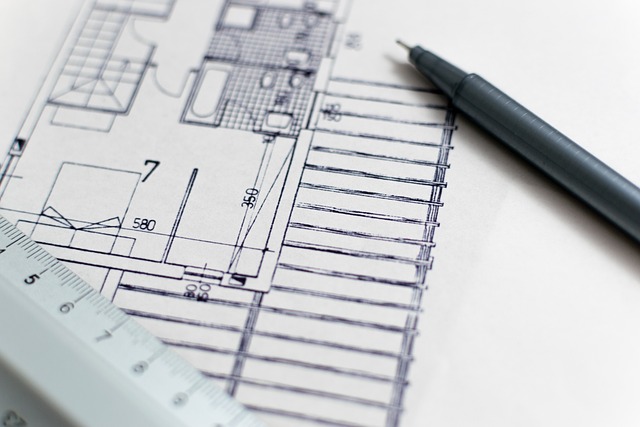
Start by collecting site plans, architectural drawings, engineering reports, environmental assessments, and any permits or approvals from relevant authorities for previous projects on the property. These documents provide a comprehensive overview of your development proposal, including structural details, zoning compliance, and potential environmental impacts. For instance, if you’re constructing a multi-family residence, the planning commission will require detailed floor plans, electrical and plumbing blueprints, noise abatement strategies, and traffic impact assessments.
Additionally, prepare financial statements, business plans, or investment proposals to demonstrate your project’s feasibility and financial viability. This might include bank statements, tax returns, or letters of intent from lenders. The planning commission borrower requirements often mandate transparency in funding sources and the ability to cover potential costs, ensuring that your project is sustainable and beneficial to the community. Remember, being thorough with these preliminary documents not only saves time but also showcases your commitment to the process, a factor highly regarded by any planning commission.
Presenting Your Homeowner Development Plans

When presenting your homeowner development plans to the planning commission, it’s crucial to understand their specific borrower requirements. The planning commission plays a vital role in reviewing and approving projects that impact local communities—including new construction and renovations. To ensure a smooth process, borrowers must align their proposals with the commission’s expectations. One key aspect is providing detailed, comprehensive applications that address zoning regulations, environmental impacts, and community considerations.
For instance, borrowers should submit thorough site plans, architectural drawings, and engineering reports to demonstrate compliance with local codes and standards. Additionally, addressing potential traffic impacts, noise levels, and other neighborhood concerns can help garner favorable reviews. Data-driven analyses, such as traffic studies or impact assessments, can bolster your application by showing a deep understanding of the project’s effects on the surrounding area.
Practical advice includes engaging with the planning commission early in the process to gain insights into their priorities. Regular communication and transparency can foster a collaborative relationship, addressing concerns promptly. Borrowers should also be prepared to adapt plans based on feedback, demonstrating flexibility and a commitment to community well-being. By adhering to these guidelines and understanding the planning commission borrower requirements, homeowners can navigate the approval process with confidence, ultimately realizing their development vision while respecting local priorities.
Navigating the Approval Process and Follow-up

Navigating the approval process with the planning commission is a critical step for homeowners undertaking significant construction or renovation projects. This involves understanding borrower requirements and presenting plans that align with local zoning regulations and community development goals. The planning commission, composed of elected officials and appointed community members, acts as a gatekeeper, ensuring proposed developments complement the area’s character while promoting responsible growth.
The approval journey begins with submitting detailed applications outlining project specifics, including architectural blueprints, structural calculations, and environmental impact assessments. Borrowers must demonstrate compliance with building codes, safety standards, and specific planning commission borrower requirements. For instance, in densely populated areas, strict setbacks and parking regulations often apply, necessitating careful consideration during the initial design phases. Timely submission of complete applications is paramount; delays can hinder progress, leading to additional fees and potential project setbacks.
Post-submission, expect a thorough review process where commissioners scrutinize plans for adherence to community standards. Open communication with the planning commission is beneficial, addressing concerns promptly and providing any additional information required. Following approval, borrowers enter the building phase, but their involvement doesn’t end there. Regular inspections during construction ensure ongoing compliance, and final certification upon project completion secures the necessary permits for occupancy. Effective follow-up ensures a seamless transition from planning to realization, transforming blueprints into tangible improvements while maintaining community harmony.